
The carpeted dining room, the lazy Susan and the menu that moved easily from spring rolls to sweet-and-sour pork became a recognisable Australian institution. That version of the Chinese restaurant is now under pressure from high rents, thin margins, changing migration patterns and the reluctance of many owners’ children to inherit a life built around six or seven trading days a week.
The shift is visible in insolvency data. CreditorWatch reported that food and accommodation businesses were closing at a 12.2 per cent rate in the year to May 31, roughly double the national business closure rate. Chinese restaurants are not alone in that squeeze, but the economics land on a sector already negotiating succession and a changing idea of authenticity.
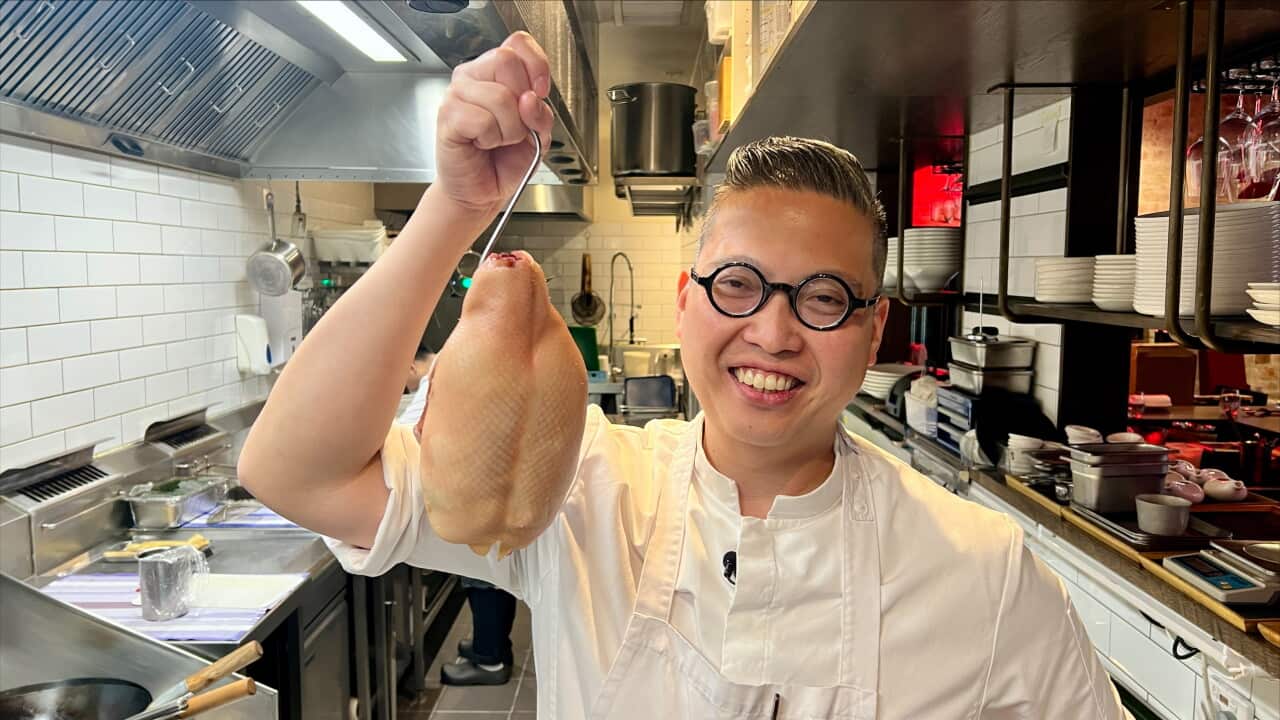
Chef Victor Liong’s career captures the movement. Born in Brunei and brought to Australia at six, he did not grow up mastering an inherited repertoire in a family kitchen. He learned Chinese cooking professionally, then built restaurants that place regional techniques and flavours inside contemporary dining rooms. The result does not abandon tradition; it rejects the idea that tradition has only one décor or price point.
Historian Sophie Loy-Wilson notes that Chinese restaurants have long adapted to Australian circumstances. Their menus record successive migrations, local ingredients and what diners were prepared to try. The apparently timeless suburban restaurant was itself a creative response to a particular period, not an untouched form carried whole from somewhere else.
In Canberra, Gavin Chan’s family has operated a restaurant since 1962. Honey chicken remains a bestseller, a reminder that dishes dismissed as inauthentic can carry decades of family and community history. Authenticity here is not a purity test. It can mean fidelity to a region, to technique, to memory—or to the customers who have made a dish part of Australian life.
What is disappearing, then, is not Chinese food. It is one business model and one social room: the affordable, labour-intensive restaurant sustained by a family’s willingness to fold work and home together. Newer operators may use smaller menus, higher prices, counter service, wine programs or explicitly regional identities to survive.
Nostalgia is understandable, but it should not become another demand placed on the people doing the work. The better response is to recognise the old restaurant as a major Australian cultural achievement while allowing its successors to change. A cuisine stays alive through argument, adaptation and appetite—not by keeping the carpet exactly where it was.