DEVELOPMENT
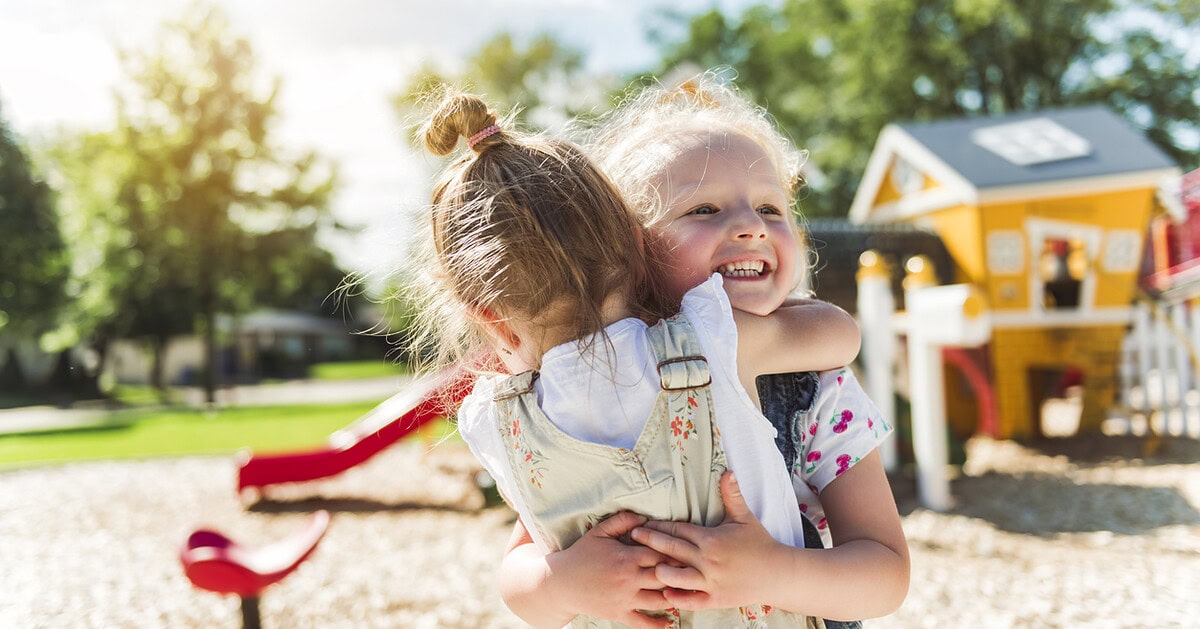
Children’s willingness to forgive depends partly on what adults do after harm. Repairing the victim’s loss may matter more than simply letting the offender off the hook.
A study of 167 children aged six to nine found they expected forgiveness most when a victim was compensated, followed by punishment of the offender. They still recognised that forgiveness remained the victim’s choice.
BOLD6 MIN
DEVELOPMENT
Peer networks matter—but not always in the ways headlines suggest. Here’s what recent studies can support, what remains uncertain, and how schools and families can respond.
Friendships are a kind of infrastructure for adolescence: they determine who feels seen, who feels excluded, and who has somewhere to land when school, family, or identity pressures intensify. That’s why new research on peer networks and teen mental health tends to attract bold claims—“depression spreads,” “anxiety is contagious,” “choose better friends.” The reality is more interesting, and more constrained. The best studies are beginning to map how teen wellbeing moves with social ties, while also showing how difficult it is to separate influence from selection, and friendship from the broader environment teens share.
Dr Simon Ainsworth6 MIN
CLINICAL PRACTICE

One good conversation won’t solve everything. But used well, a single, structured session can deliver meaningful relief, clarity, and next steps—especially when access to ongoing care is scarce.
Single-session therapy (SST) is having a moment for a reason: demand for mental health care has outpaced supply, waitlists are long, and many people want help without committing to months of weekly appointments. The promise is not a miracle cure; it’s a practical proposition—design one session to matter. Done well, SST can be a targeted intervention that reduces distress, boosts a sense of agency, and helps people move forward, even if they later choose more therapy.
Dr Simon Ainsworth7 MIN
CLINICAL IDEAS

Carl Rogers’ radical idea: you can accept a person fully without approving everything they do—and that distinction changes how relationships work.
Unconditional positive regard (UPR) is one of those phrases that sounds sentimental until you try to practice it under stress: during an argument, after a mistake, or when someone you care about disappoints you. Yet that’s exactly where it matters. UPR is not a technique for “being nice.” It’s a stance that can lower defensiveness, preserve dignity, and make accountability more likely—especially in relationships where power, dependency, or long history complicate every conversation.
Dr Simon Ainsworth6 MIN
