Reporting, analysis and criticism selected for today’s edition.
ARTIST FILE

From 1990s club culture to late-career folk intimacy, Orton’s catalogue maps a rare dialogue between machines, tradition, and a fiercely personal voice.
Beth Orton matters because she represents a version of British alternative music that’s easy to overlook: not the loud revolution, but the durable one. In the 1990s she helped define a new grammar for songwriting—acoustic, inward, traditionally “folk” in posture—yet embedded in the textures, edits, and bass pressure of electronic music. That hybrid didn’t just produce a few stylish records; it offered a blueprint for how a singer-songwriter could survive the end of the monoculture, moving between scenes without becoming a novelty.
Giles Mordant6 MIN
MUSIC BUSINESS

Her new memoir is being read as more than an 80s victory lap—it's a case study in youth fame, creative leverage, and the business of legacy in a platform-driven era.
Debbie Gibson’s forthcoming memoir, Eternally Electric, is generating interest now because it lands at the intersection of two hot 2026 currents: a robust market for nostalgia that has matured into serious cultural reassessment, and a growing insistence that artists—not labels, not tabloids, not algorithmic feeds—should own the narrative of their own careers. Gibson’s story is familiar in outline (teen star, massive hits, relentless touring), but the renewed attention reflects a shift in what audiences and the industry want from these accounts: not just recollection, but an audit of power, labor, and authorship.
Giles Mordant6 MIN
FROM THE RECORD SHELF

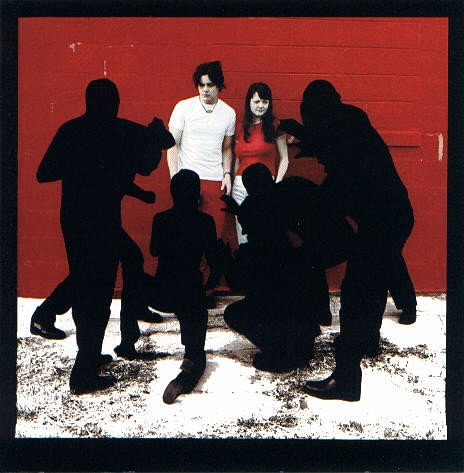
On White Blood Cells, The White Stripes scale up without growing up: bigger drums, sharper hooks, and a thicker sense of occasion—yet still a duo making a racket like they’ve just discovered electricity and feel personally offended you’re not excited.
White Blood Cells arrived in 2001 with the particular kind of inevitability that only happens after the fact. At the time it was an indie record—first out on Sympathy for the Record Industry—behaving like a breakthrough before the industry had finished noticing. That tension is part of the album’s enduring pull: it’s a document of a band still moving by gut and principle, even as the world begins to treat them like a story. By the time it was re-released by V2 in 2002, the narrative had already calcified into something like gospel: two people, red-white-black iconography, no bass, old American music put through a cheap amp and a sharp mind. White Blood Cells doesn’t just benefit from that mythology; it tightens it, tests it, and—crucially—makes it entertaining.
Giles Mordant7 MIN
FROM THE RECORD SHELF
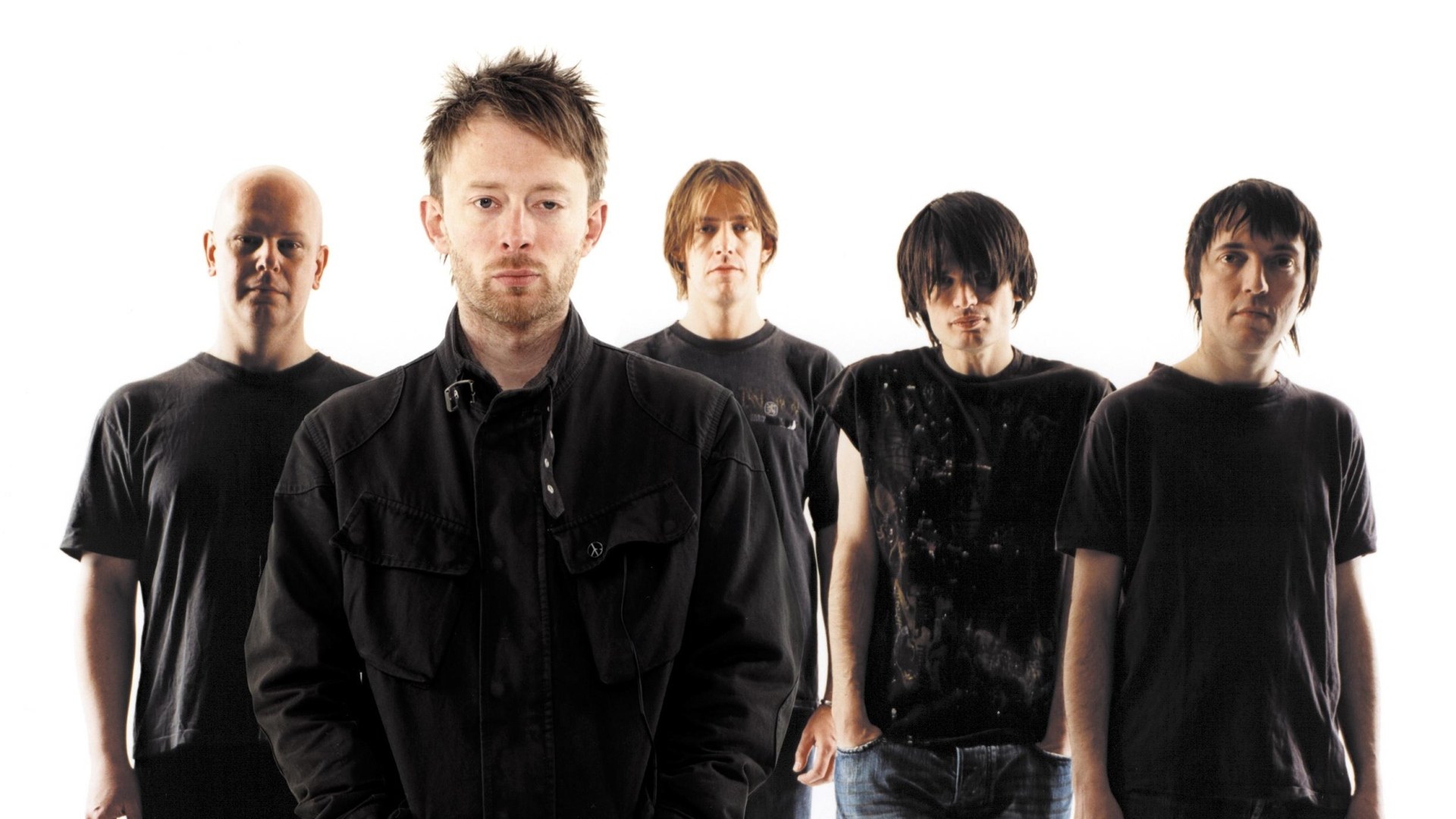
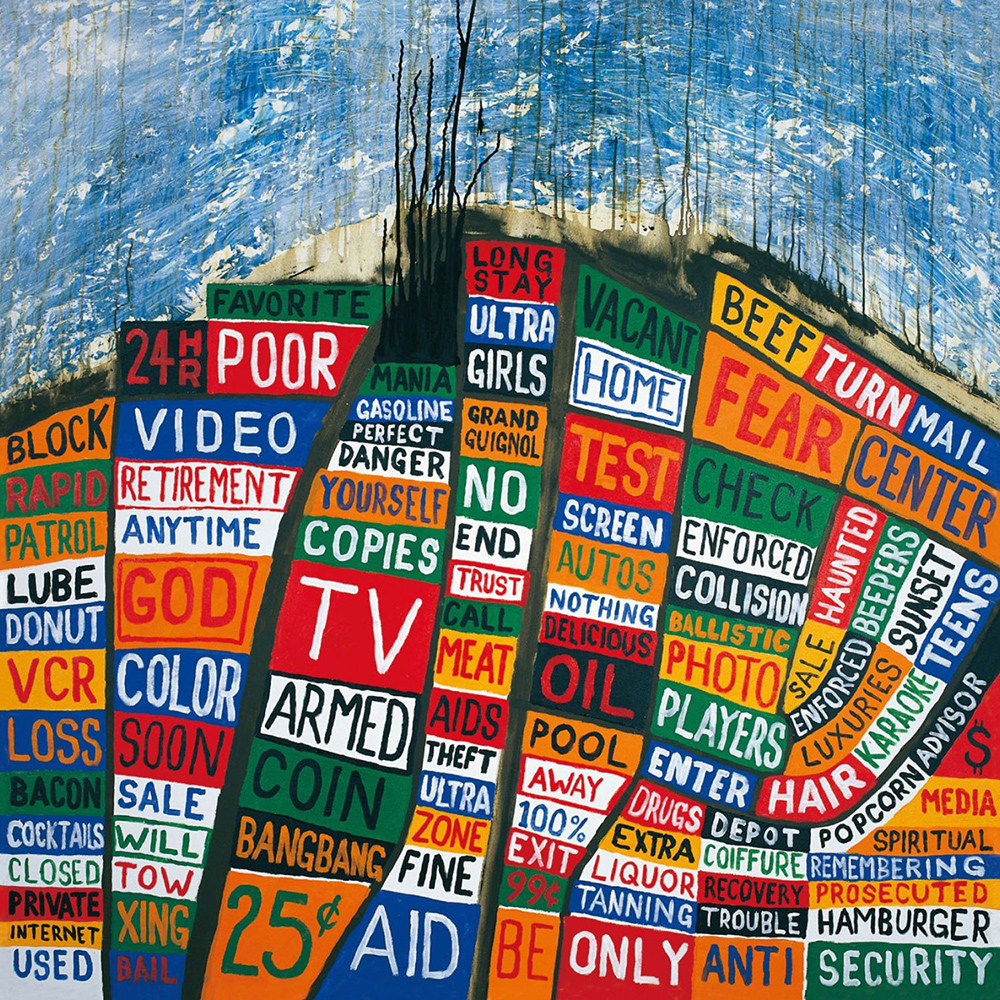
Hail to the Thief is the sound of a band refusing to choose between the guitar record and the lab record—and turning that refusal into its own anxious form. It’s messy on purpose, occasionally messy by accident, and still one of Radiohead’s most revealing self-portraits: a document of power, overload, and mistrust set to very physical music.
Radiohead albums tend to arrive with a built-in argument, not just about what the band is doing, but about what popular music is allowed to do at that moment. In 2003, after the great left turn of Kid A and the fragmented after-image of Amnesiac, the argument around Radiohead had hardened into an annoying binary: either you wanted the guitars back, or you wanted them gone for good; either you believed in “songs,” or you believed in “process.” Hail to the Thief doesn’t solve that argument so much as mock it. It is a record that keeps offering you a handle and then changing the weight distribution. It will give you a proper rock crescendo, then undercut it with a slogan, a glitch, a choral smear, a rhythm that won’t sit still.
Giles Mordant7 MIN
FROM THE RECORD SHELF

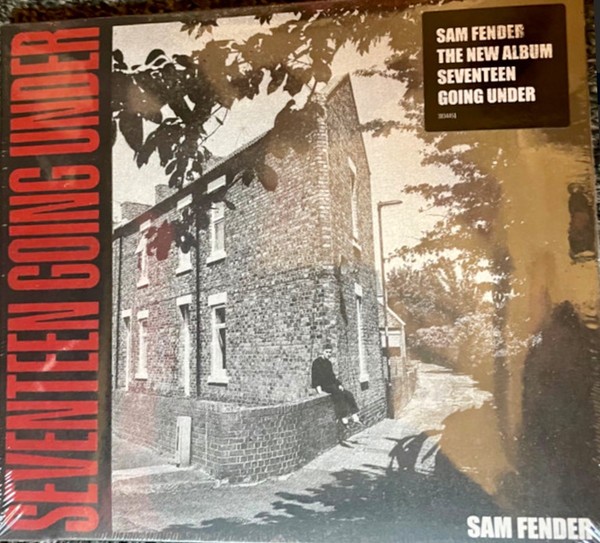
Seventeen Going Under takes the debut’s public conscience and drags it back through a very specific adolescence in North Shields, turning memory into something you can shout with a roomful of strangers. It’s an album that sometimes leans too hard on arena grammar—but it earns its scale by treating autobiography as social evidence, not self-mythology.
There’s a particular kind of British rock record that arrives with its sleeves already rolled up: built for big rooms, morally agitated, suspicious of glamour, and written as if the singer has been rehearsing these arguments in his head on late buses home. Sam Fender’s Seventeen Going Under is squarely in that lineage, but what makes it more than a well-made second album is its refusal to choose between the civic and the intimate. The record’s thesis—telegraphed in its rollout as “more personal” than Hypersonic Missiles—turns out not to be a retreat from politics so much as a re-siting of it. Here, class and place aren’t slogans; they’re the weather system in which family tension, teenage anger, and mental peril form.
Giles Mordant7 MIN
End of today’s music section.
