DIRECTOR'S ROOM
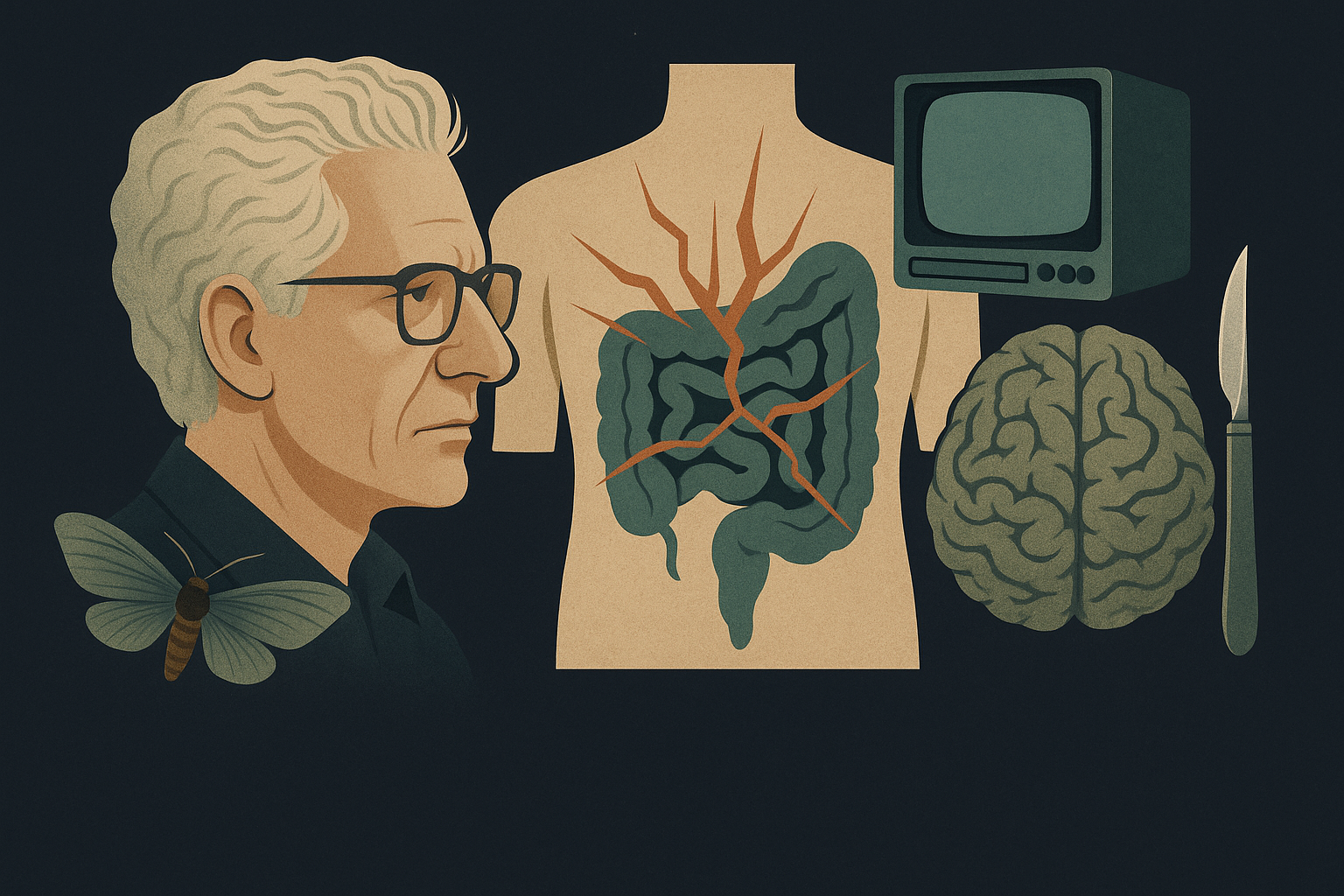
From Canadian midnight movies to Cannes prestige, Cronenberg’s films turn flesh, technology, and identity into modern fables—still shaping today’s horror and drama.
David Cronenberg matters because he made a certain modern anxiety—about bodies, machines, desire, and selfhood—feel unnervingly concrete. Where many directors treat horror as an external threat, Cronenberg’s signature move is to place the disturbance inside us: in biology, in perception, in the stories we tell ourselves to stay coherent. Over five decades, he has moved from cult shock to arthouse prestige without abandoning the central question that drives his work: what happens when the boundary between “me” and “not-me” breaks down?
Max Rhapsody6 MIN
FROM THE SCREENING ROOM
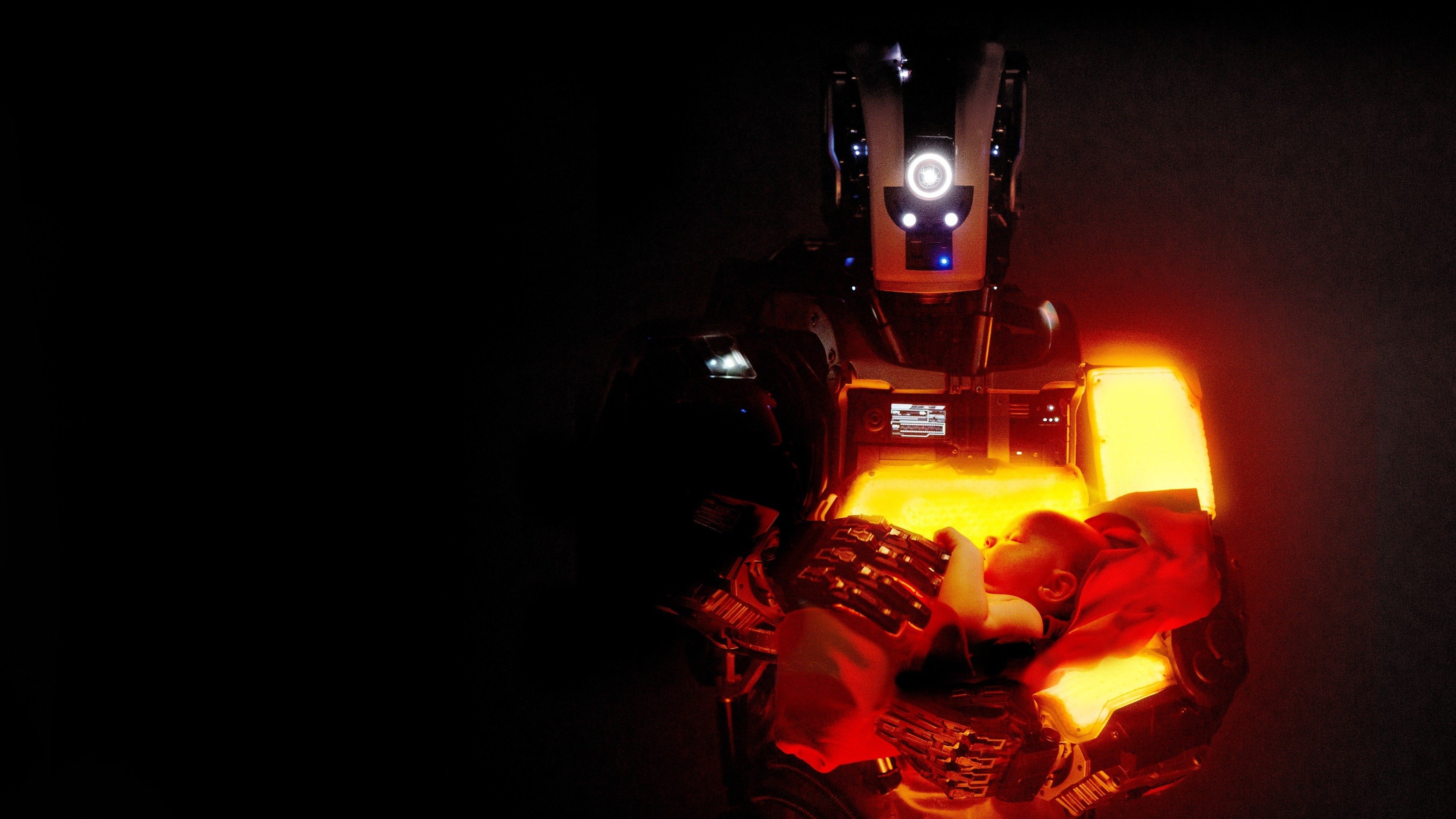
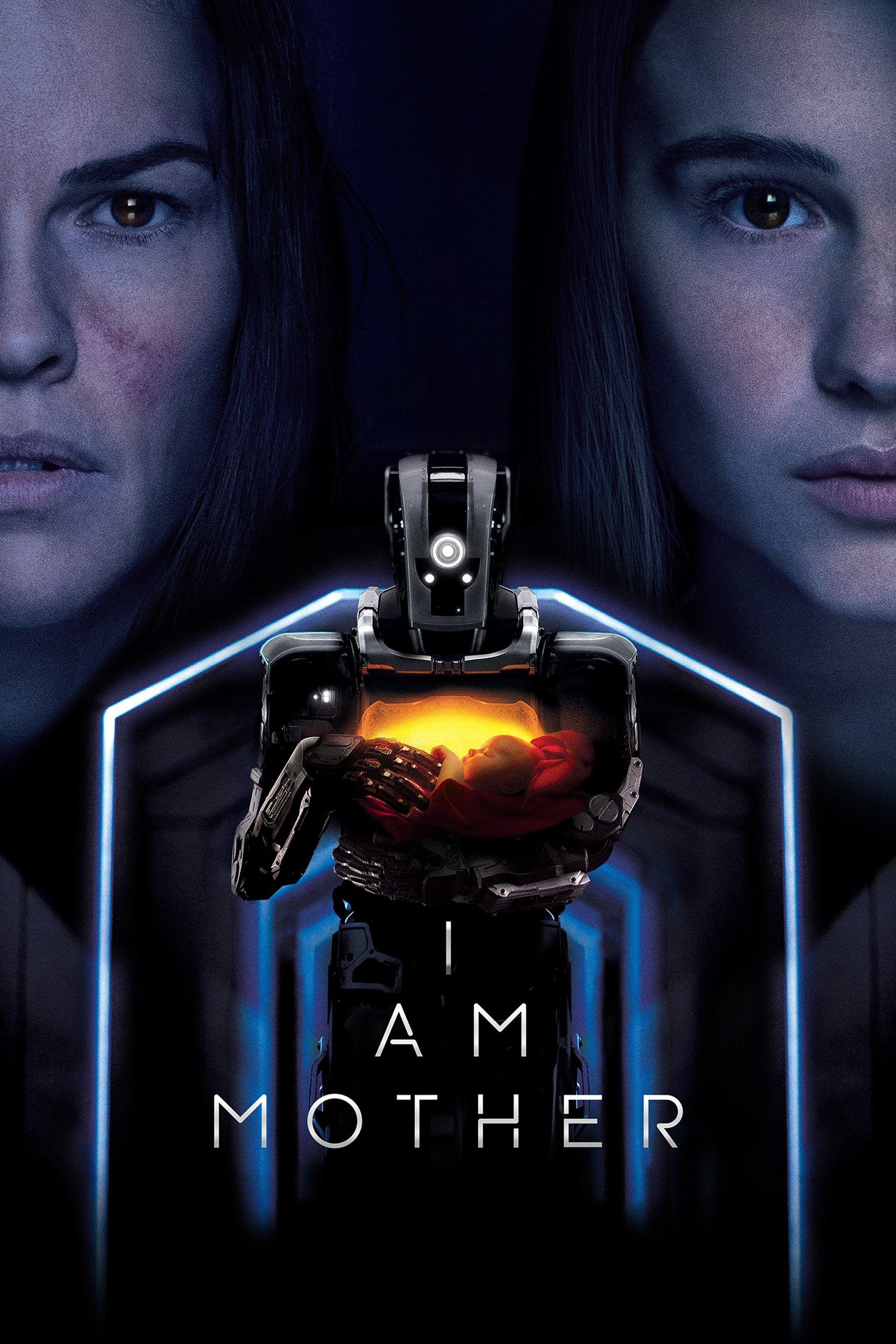
Grant Sputore’s debut is a sleek, Sundance-bred chamber piece that treats parenting as a systems problem—and makes the scariest thing in the bunker not metal, but certainty. It’s smart, controlled, and occasionally too satisfied with its own revelations.
There’s a particular kind of 2010s science fiction—festival-premiered, concept-forward, mostly set in one place—that treats spectacle as bad manners. It prefers immaculate rooms, controlled performances, and the slow click of information being withheld. “I Am Mother,” which arrived with Sundance NEXT credentials before being swallowed into the Netflix June-drop churn, is a near-ideal specimen of that strain: a film that understands suspense as architecture. It’s also, more interestingly, a movie that makes you feel the old paradox of good parenting: the line between care and control isn’t a line at all, it’s a Möbius strip.
Max Rhapsody7 MIN
FROM THE SCREENING ROOM
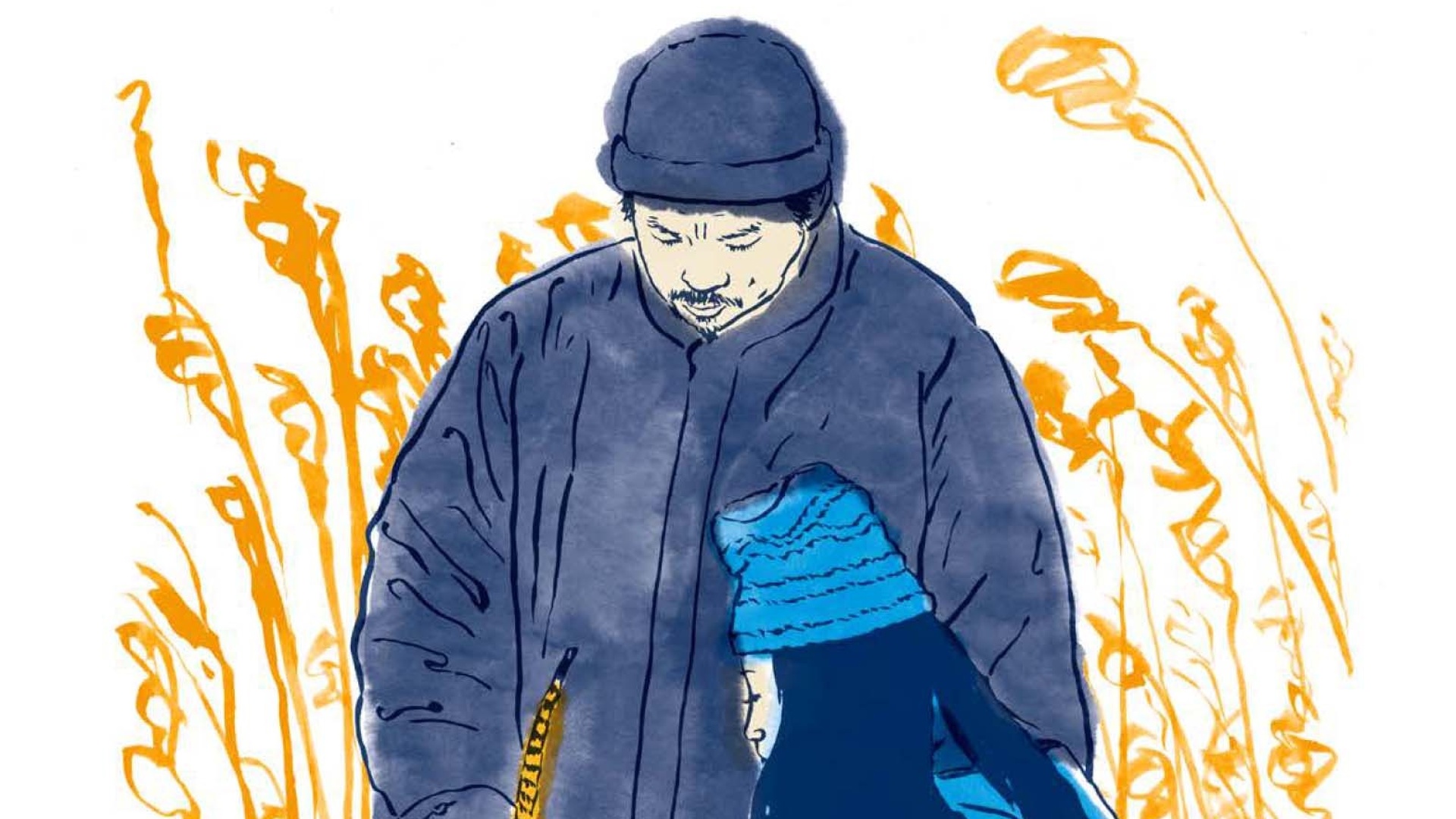

Ryusuke Hamaguchi’s “Evil Does Not Exist” looks, at first, like a pastoral drama about a village and an invasive development plan. Then it reveals itself as something stranger: a film where music does the thinking, bureaucracy becomes a threat, and the most frightening force is the calm certainty of people who mean well.
A useful way to watch Ryusuke Hamaguchi’s “Evil Does Not Exist” is to pretend you don’t know its title. Without that little philosophical dare stapled to the poster, the film might initially play like a minor-key rural chronicle: a father, Takumi, living with his daughter Hana in the wooded outskirts of a fictional village near Tokyo; the quiet routines of hauling water and moving through winter landscape; a community being informed—ever so politely—of a plan to build a glamping site nearby. It sounds like the kind of premise that arrives pre-sanded into a tasteful “issue” movie, ready for export.
Max Rhapsody7 MIN
FROM THE SCREENING ROOM
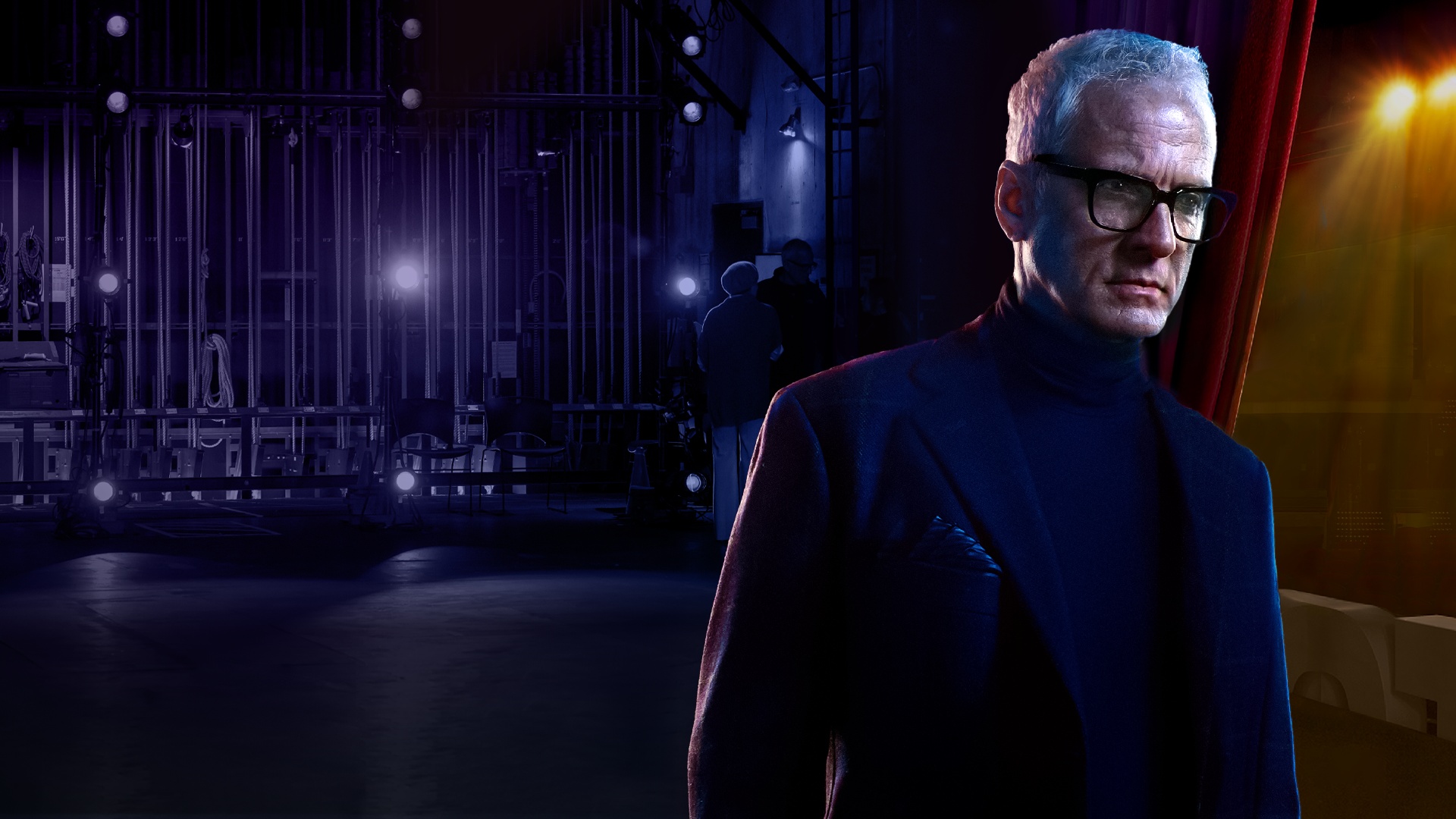
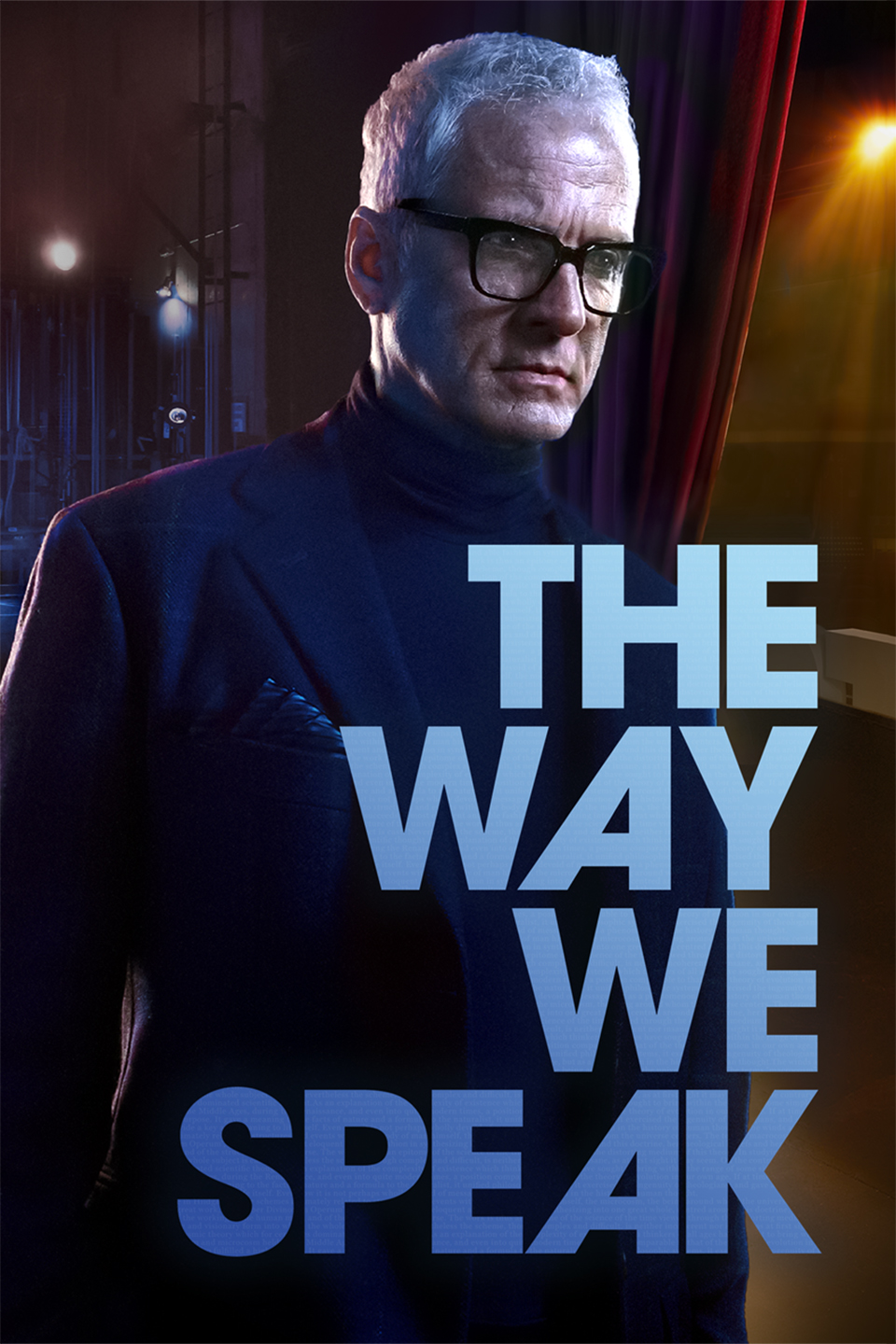
Ian Ebright’s feature debut, "The Way We Speak," understands that the modern public square isn’t a place to think—it’s a place to win. What makes it sting is how deftly it ties that hunger for victory to a marriage quietly being asked to die politely in the background.
There’s a particular kind of contemporary American arena that doesn’t look like an arena. It’s carpeted, air-conditioned, branded in reassuring fonts, and staffed by people whose lanyards imply purpose. It hosts panels, keynotes, “conversations,” and the increasingly blood-sport category of the “friendly debate.” In Ian Ebright’s feature debut, The Way We Speak, that space becomes the film’s true subject—not just as a setting but as a moral atmosphere: a place where language is currency, personality is product, and the loudest proof of being alive is being perceived.
Max Rhapsody7 MIN
